


The Material Science Behind Fashionable Raincoats: A Perfect Fusion of Function and Aesthetics
2025-08-11
The Material Science Behind Fashionable Raincoats: A Perfect Fusion of Function and Aesthetics
In today's world, where both fashion and functionality are prioritized, raincoats are no longer just simple tools for protection from rain; they are now stylish pieces that combine practicality with design. This transformation is closely tied to advancements in material science. From classic PVC to high-end GORE-TEX, what technological secrets lie behind different rain coat fabric names? This article will take you through the material secrets behind fashionable raincoats.
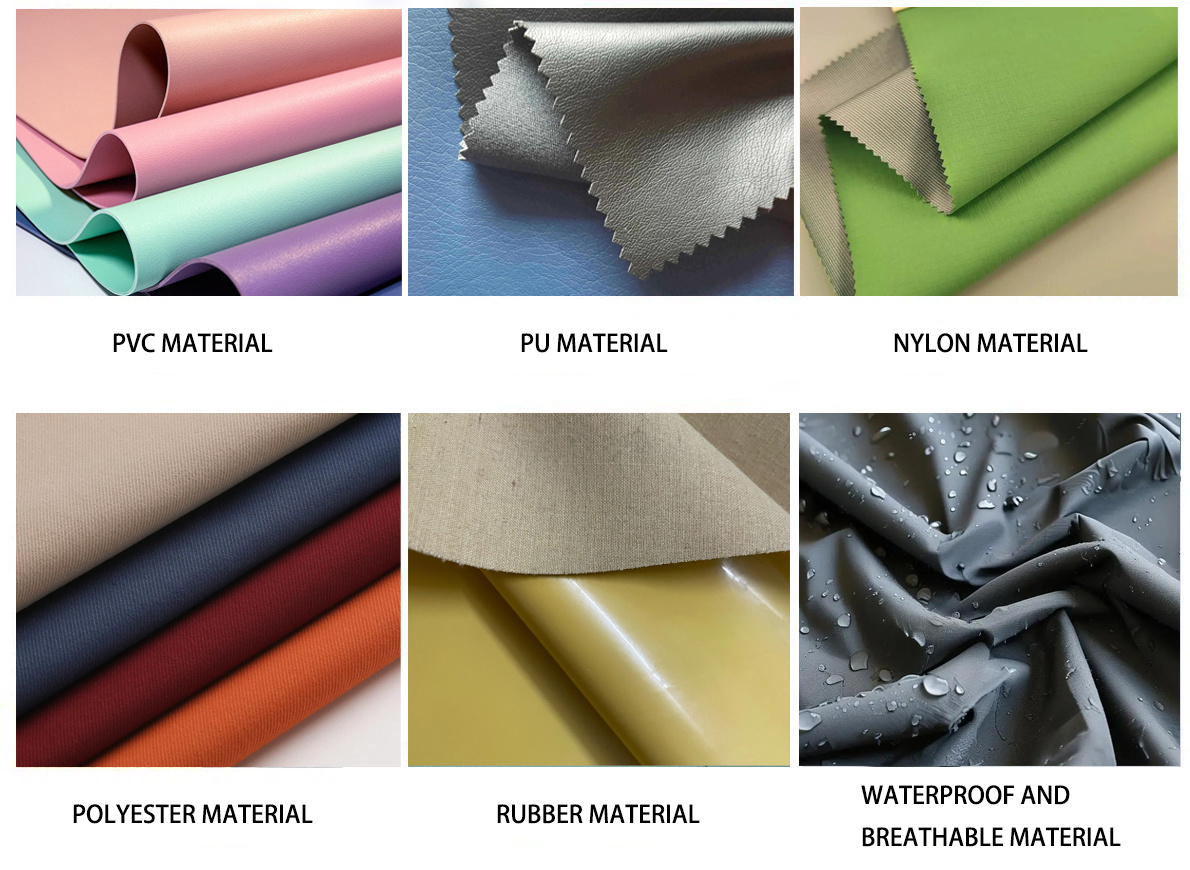
1. Performance Characteristics of Mainstream Raincoat Fabrics
Raincoat fabrics on the market can be divided into three major categories:
- PVC (Polyvinyl Chloride): Excellent waterproof performance at a low cost, but poor breathability, making it suitable for short-term rain protection.
- PU (Polyurethane) Coated Fabrics: Lighter and softer than PVC, with improved breathability, commonly seen in mid-range raincoats.
- High-tech fabrics like GORE-TEX: Using ePTFE membrane technology, these fabrics provide both waterproofing and breathability, making them the first choice for high-end outdoor brands.
In recent years, environmentally friendly raincoat material names such as recycled nylon and bio-based PU have gradually become popular, meeting consumers' demands for sustainability.
2. Design Breakthroughs in Fashionable Raincoats
Traditional raincoats were often bulky and rigid, but modern designers have innovated fabric used for raincoats to make them lightweight, slim-fit, and even include avant-garde functions like reflectivity and temperature-sensitive color changes. For example:
● Transparent TPU Raincoat: Combining futuristic design with practicality, becoming a favorite among fashion enthusiasts.
● Matte Coated Polyester: High-quality texture, suitable for business and commuter settings.
● Foldable Ultra-light Fabric: Made with 20D ultra-fine fibers, it can be packed into a size as small as a smartphone, making it convenient to carry.
3. Future Trends: Smart and Eco-friendly
With technological advances, raincoat material names are moving towards smarter designs. For example:
● Self-healing Coatings: Minor scratches can automatically repair themselves, extending the coat's lifespan.
● Photocatalytic Anti-Soil Fabrics: Using ultraviolet light to break down stains and keep the raincoat clean.
● Biodegradable Materials: Using PLA (Polylactic Acid) and other bio-based materials to reduce environmental impact.
Conclusion
From waterproofing functions to fashion expression, the evolution of rain coat fabric names reflects the progress of material science. In the future, with the emergence of new technologies, raincoats might not only be tools for rain protection but also part of smart wearables. Whether you're an outdoor enthusiast seeking performance or an urbanite focused on style, you can find the perfect fit in the diverse range of raincoat fabrics.
Recommend News

ShiZuLong is committed to providing exceptional service and meeting customers' needs at every step of the way.
Phone --
E-mail --
Address --
No. 1, Chuangye Road, High-Tech Zone, Yushan County ,Shangrao City,Jiangxi Province, China
Quick link
Prodcuts
Enter your mailbox, the first time to
check our new developments !


Copyright © 2025 Shangrao ShiZuLong Outdoor Products Co., Ltd. | SEO |