


Raincoat Material Comparison Guide: How to Choose the Best One
2025-08-06
Raincoat Material Comparison Guide: How to Choose the Best One
As the rainy season approaches, choosing the right raincoat becomes a top priority for many people. With a wide variety of products available on the market, the raincoat material comparison is crucial. Different raincoat cloth materials vary significantly in terms of waterproofing, breathability, durability, and comfort. Understanding "raincoat is made from which material" will help you make a more informed decision.
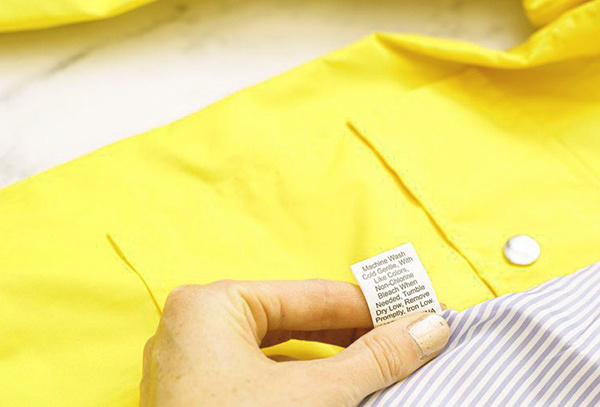
1. Comparison of Common Raincoat Materials
Currently, mainstream raincoat materials can be divided into three major categories:
| Material | Waterproofing | Breathability | Price Range | Best For |
|---|---|---|---|---|
| PVC | Excellent | Poor | ¥50-200 | Short-term use, construction |
| Polyester-coated | Good | Moderate | ¥200-800 | Daily commuting |
| GORE-TEX | Exceptional | Excellent | ¥2000+ | Outdoor sports |
According to raincoat material comparison tests:
- In continuous heavy rain, both PVC and polyester-coated fabrics provide over 4 hours of complete waterproof protection
- GORE-TEX fabric can maintain waterproofing for over 8 hours
- GORE-TEX's moisture expulsion efficiency is more than three times that of ordinary polyester fabrics
2. Material Selection Based on Different Usage Scenarios
After understanding "raincoat is made from which material," you should choose based on the actual use:
Daily Commuting: Recommended to select lightweight polyester-coated fabrics, typically weighing between 300-500 grams.
Outdoor Sports: Consider GORE-TEX fabric, which, although priced above 2,000 RMB, provides the best comfort for sports.
Specific Professions: For construction workers, the heavier PVC material is better suited to meet durability needs.
ECO TIP: Eco-friendly raincoat cloth materials made from recycled polyester reduce carbon footprints by over 50%, though priced 20%-30% higher than traditional products.
3. Practical Tips When Purchasing
When comparing raincoat materials, focus on these key indicators:
- Waterproof coefficient (in mm, with 3,000mm being sufficient for daily use)
- Breathability (in g/m²/24h)
- Seam technology (heat bonding is more waterproof than stitched seams)
- Check for eco-certifications (Bluesign or OEKO-TEX standards)
Conclusion
Through scientific raincoat material comparison, we find that there is no absolute "best" material, only the most suitable one. Whether considering "what material is the raincoat made from" or focusing on specific raincoat cloth material properties, the final choice should depend on:
- Personal usage frequency
- Budget
- Environmental concerns
Remember, a good raincoat should not only keep you dry but also ensure comfort and ease on rainy days.
Recommend News

ShiZuLong is committed to providing exceptional service and meeting customers' needs at every step of the way.
Phone --
E-mail --
Address --
No. 1, Chuangye Road, High-Tech Zone, Yushan County ,Shangrao City,Jiangxi Province, China
Quick link
Prodcuts
Enter your mailbox, the first time to
check our new developments !


Copyright © 2025 Shangrao ShiZuLong Outdoor Products Co., Ltd. | SEO |