


What Is the Best Material for a Raincoat? How to Choose Your Perfect Waterproof Shell
2025-08-29
What Is the Best Material for a Raincoat? How to Choose Your Perfect Waterproof Shell
When choosing a raincoat, one of the most frequently asked questions from consumers is, "What is the best material for a raincoat?" In reality, there is no one-size-fits-all material. The answer to "What is the best waterproof raincoat?" entirely depends on your usage scenario, budget, and specific functional requirements. This article will provide a comprehensive analysis of the advantages and disadvantages of mainstream raincoat materials to help you make the best choice.
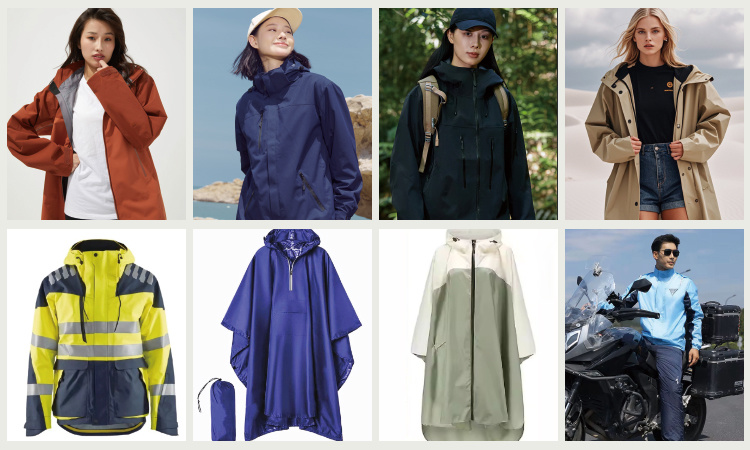
Quick Answer: In general, the best material for a raincoat should be judged based on the actual needs. Gore-Tex is widely regarded as a high-performance material due to its superior waterproofing, breathability, and durability, making it ideal for outdoor enthusiasts. If you're looking for the answer to "What is the best waterproof raincoat?", it is undoubtedly one of the most popular options. If you're on a budget, coated nylon or PVC polyester can also provide reliable rain protection, offering a cost-effective alternative, although their breathability may be slightly inferior.
With the vast array of styles and technical terms available in the market, choosing the right raincoat can be confusing. However, there is no doubt that raincoat material is the core factor in determining whether you will stay dry and comfortable during rainy days. This guide will systematically review the types, characteristics, and applicable scenarios of common raincoat fabrics. Whether you are planning for mountain hiking or just need it for urban commuting, you'll find helpful references here.
Raincoat Materials Comparison Table
| Material Type | Advantages | Disadvantages | Applicable Scenario |
|---|---|---|---|
| Gore-Tex | Excellent waterproofing and breathability, durable, windproof | Expensive, requires regular maintenance | Outdoor sports, harsh weather |
| Nylon | Lightweight, wear-resistant, quick-drying | Requires waterproof coating, average breathability | Daily commuting, travel |
| Polyester | Strong, wrinkle-resistant, easy to care for, affordable | Poor breathability, environmental impact | Daily rain protection, low-frequency use |
| PVC/Vinyl | Completely waterproof, varied styles, low cost | Not breathable, not resistant to extreme temperatures, poor environmental impact | Occasional rain protection, fashion wear |
1. A Brief History of Raincoat Fabric Development
From the early use of oil-soaked wool and rubber coatings to the widespread application of nylon and polyester in the 20th century, fabric of raincoats have been continuously evolving. The invention of Gore-Tex in the 1970s marked a significant breakthrough in waterproof and breathable technology. It not only effectively blocked rainwater but also allowed moisture to escape, thus redefining outdoor waterproof standards. Today, high-tech functional fabrics have become mainstream in the market, allowing consumers to make more precise choices based on waterproof ratings, breathability data, weight, and environmental standards.

2. Detailed Explanation of Common Raincoat Materials
(1) PVC (Polyvinyl Chloride)
● Characteristics: Fully waterproof, low cost, can present transparent or colored fashionable looks.
● Disadvantages: Almost no breathability, low comfort, not resistant to extreme temperatures, and hard to degrade.
● Applicable: Occasional use or fashionable raincoat needs.
(2) Nylon
● Characteristics: Lightweight, high-strength, wear-resistant, typically requires an added waterproof coating.
● Disadvantages: Coating may wear off with long-term use, requiring re-coating for waterproofing.
● Applicable: Daily use and travel where portability and lightness are priorities.
(3) Polyester
● Characteristics: Strong, resistant to chemical corrosion, quick-drying, and deformation-resistant, more competitively priced.
● Disadvantages: Poor breathability when absorbing moisture, production involves energy consumption and environmental burden.
● Applicable: Routine rain protection and basic outdoor activities.
(4) Gore-Tex
● Characteristics: Offers both excellent waterproofing and breathability, suited for harsh climates, and highly durable.
● Disadvantages: Relatively expensive, needs to be cleaned and dried regularly to maintain performance.
● Applicable: Professional outdoor sports and long-term use in severe weather.
(5) Vinyl
Similar to PVC in characteristics, focusing on complete waterproofing and visual appeal, but comfort and environmental impact remain shortcomings.
3. How to Choose the Right Raincoat Material for You?
- Select Based on Usage Scenario:
- Urban Daily Use: Choose polyester or nylon materials, balancing price and functionality.
- Outdoor Activities: Be sure to consider breathability, recommended high-end materials like Gore-Tex.
- Heavy Rain Environments: PVC or Vinyl can provide full waterproof protection.
- Focus on Technical Specifications: Waterproof pressure (mm) and breathability (g/m²/24h) are key parameters, the higher the value, the stronger the performance.
- Balance Durability and Maintenance: High-end fabrics require regular care, while ordinary materials may need to be replaced more frequently.
- Sustainability Choices: Consider recycled polyester or eco-friendly coated products to reduce your environmental footprint.
4. Conclusion: What is the Best Material for a Raincoat?
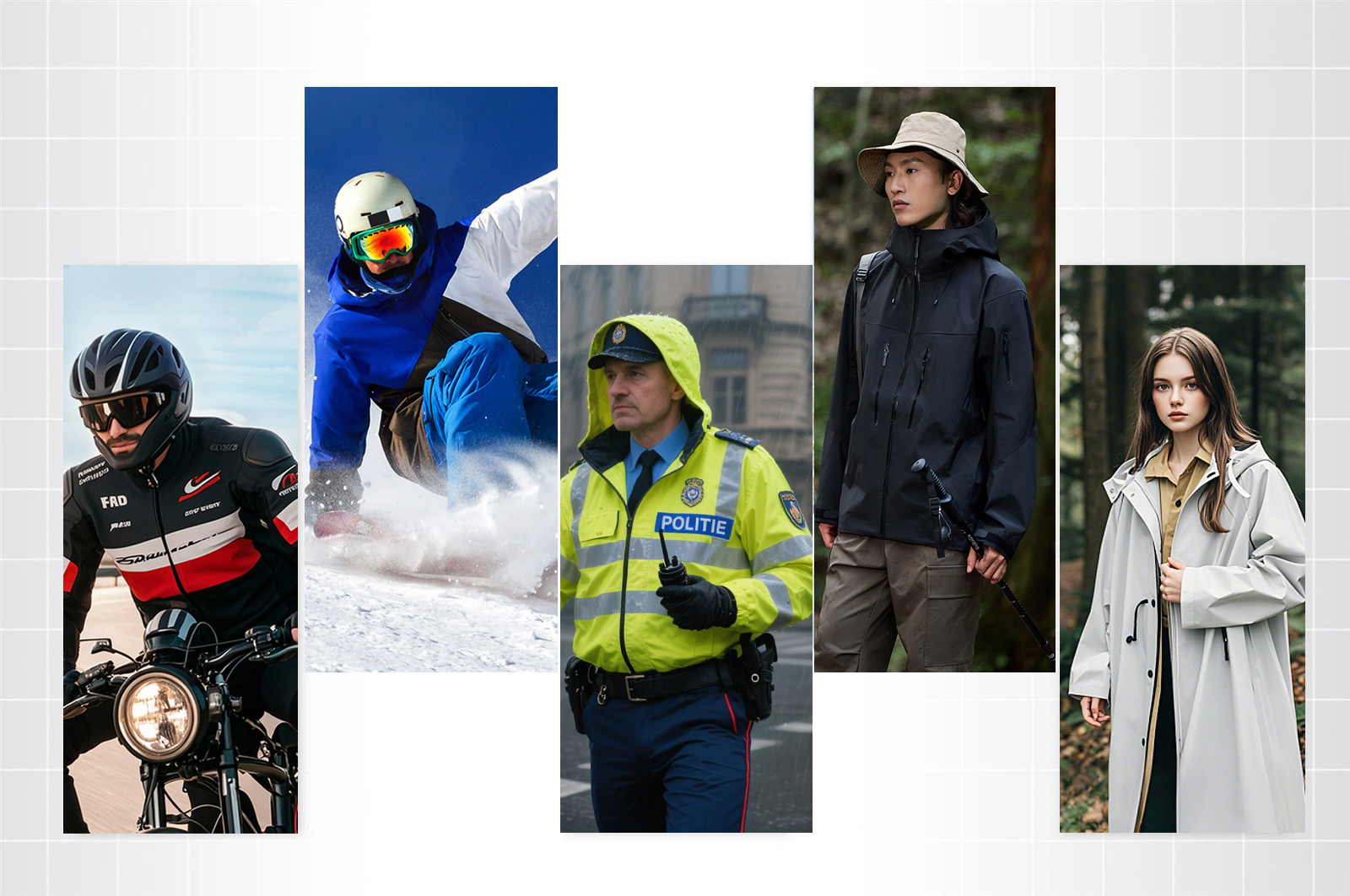
In fact, there is no single answer to "What is the best waterproof raincoat?" It depends on your personal needs. If you seek overall performance and durability, Gore-Tex might be the ideal choice. If you're on a budget, coated polyester or nylon can also meet the needs of most daily scenarios. We hope that through this systematic analysis of raincoat materials, you can make a more informed decision and choose the raincoat that's truly right for you—weathering the storm with ease.
Recommend News

ShiZuLong is committed to providing exceptional service and meeting customers' needs at every step of the way.
Phone --
E-mail --
Address --
No. 1, Chuangye Road, High-Tech Zone, Yushan County ,Shangrao City,Jiangxi Province, China
Quick link
Prodcuts
Enter your mailbox, the first time to
check our new developments !


Copyright © 2025 Shangrao ShiZuLong Outdoor Products Co., Ltd. | SEO |