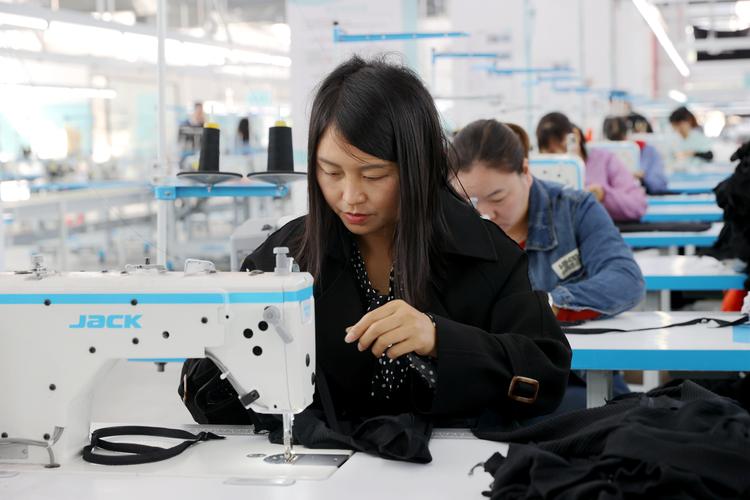
What is a Rain wear? Explore Its Technological Principles and Multifunctional Applications


2025-10-03

When the sky turns overcast and rain is imminent, having reliable protective gear is crucial to staying dry and comfortable. So, what is a rain wear? In simple terms, it is functional clothing designed to resist rain, snow, and other damp weather, with its core feature being the use of modern technological materials to create an intelligent barrier. This barrier prevents external moisture from penetrating while efficiently expelling sweat produced by the body. The balance between "waterproof" and "breathable" makes it far superior to an ordinary jacket. With advances in material science, professional rain wear manufacturers continue to innovate, transforming rainwear into essential outdoor gear that combines protection, comfort, and style. Shizulong (ON THE WAY) breaks down the working principles, main types, and features of rainwear, unveiling the technology behind this everyday invention.

rain wear gear 

1. How Does a Rainwear Work? Unveiling the Technological Barrier Behind It

The superior performance of modern rainwear is not coincidental; it is based on precise material science and engineering design. Its working principle mainly relies on three core elements:

● Waterproof and Breathable Membrane or Coating:

This is the soul of rainwear. A very thin microporous membrane (such as the well-known Gore-Tex) is integrated into the fabric. These micropores are much smaller than liquid water molecules but allow water vapor molecules (i.e., sweat) to pass through, creating the miraculous effect of "water stays out, sweat escapes."

● Durable Water Repellent (DWR) Treatment:

Have you ever seen water droplets roll off the surface of your rainwear? This is thanks to DWR treatment. This coating is applied to the outermost layer of the fabric, increasing the surface tension of water droplets, making them unable to penetrate the fabric. This not only prevents the outer fabric from becoming saturated and heavy but also ensures the effectiveness of the internal breathable membrane. Note that DWR effects weaken with use and washing but can be restored with professional care.

● Multi-layer Laminated Construction:

To protect and enhance the membrane, rainwear often adopts multi-layer constructions, such as two-layer or three-layer structures. These layers firmly bond the outer fabric, waterproof membrane, and inner protective lining together, ensuring both protective performance and the garment's durability and lightness. Leading rain wear manufacturers invest heavily in structural design to optimize overall performance.
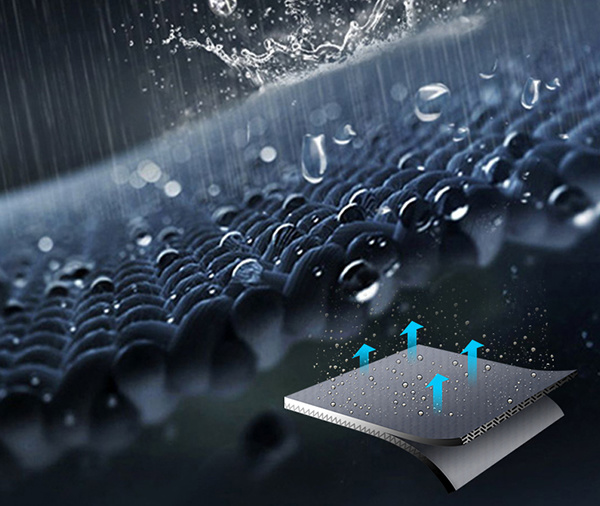

rain wear principle 

2. Key Features and Main Types of Rainwear

Based on the above principles, a high-quality rainwear typically has the following key features and comes in various types to meet different scenario needs.

Core Features:

● Comprehensive Waterproof Protection:

The primary function is to provide a reliable waterproof barrier, protecting against moderate to heavy rain and ensuring the wearer remains dry in damp environments.

● Efficient Breathability:

This is the key difference from traditional raincoats or plastic rainwear. The breathable function expels sweat quickly during physical activity, preventing internal dampness and discomfort, thus enhancing comfort.

● Excellent Windproof Performance:

Due to the high fabric density and sealed seams, rainwear effectively blocks cold winds, providing additional warmth.

Main Types:

● Rainwear Jackets:

This is the most common type, focusing on protecting the upper body. Designs range from lightweight, portable jackets to hiking jackets with ventilation features, meeting diverse needs from urban commuting to outdoor adventures. Many rain wear manufacturers also offer matching rain pants.

● Rainwear Suits:

These typically include a jacket and pants, providing full-body protection from the shoulders to the ankles. They are especially suitable for activities such as fishing, hiking, or fieldwork, where one may be exposed to rainy or snowy conditions for extended periods.

● Waterproof Accessories:

To build a complete protective system, accessories such as waterproof gloves, brimless hats, and shoe covers are included, ensuring the extremities are also well-protected.

Types of rain gear 

3. How to Choose and Maintain Your Rainwear

When selecting rainwear, consider your specific usage scenario (e.g., daily use or professional sports), waterproof and breathability ratings (e.g., 5000mm/3000g or above is ideal), and fit. It is recommended to purchase from reputable sources to ensure that you receive high-quality products made by reliable rain wear manufacturers.

For daily maintenance, follow the washing instructions on the label and regularly use dedicated DWR sprays to maintain the water-repellent effect, significantly extending the lifespan of your rainwear.

Conclusion

In conclusion, understanding what a rain wear is can help us fully utilize this practical gear. It has evolved from a simple rain protection tool into an intelligent wearable made with cutting-edge material technology. Whether facing sudden rainfall or planning outdoor activities, a high-performance rainwear is your reliable companion. Driven by the continuous growth of global outdoor market demand, future rain wear manufacturers will continue to innovate in eco-friendly materials, lightweight design, and smart features, bringing consumers an even better product experience.

rain wear gear production 


图片名称

ON THE WAY specialize in custom & wholesale outdoor rain jackets/raincoats and other products. For quotes & inquiries, please contact: Kevin@zituoling.com or WhatsApp: +86 18579061919. We'll get back to you soon!  

CONSULT

We value your advice and advice.

Submission