

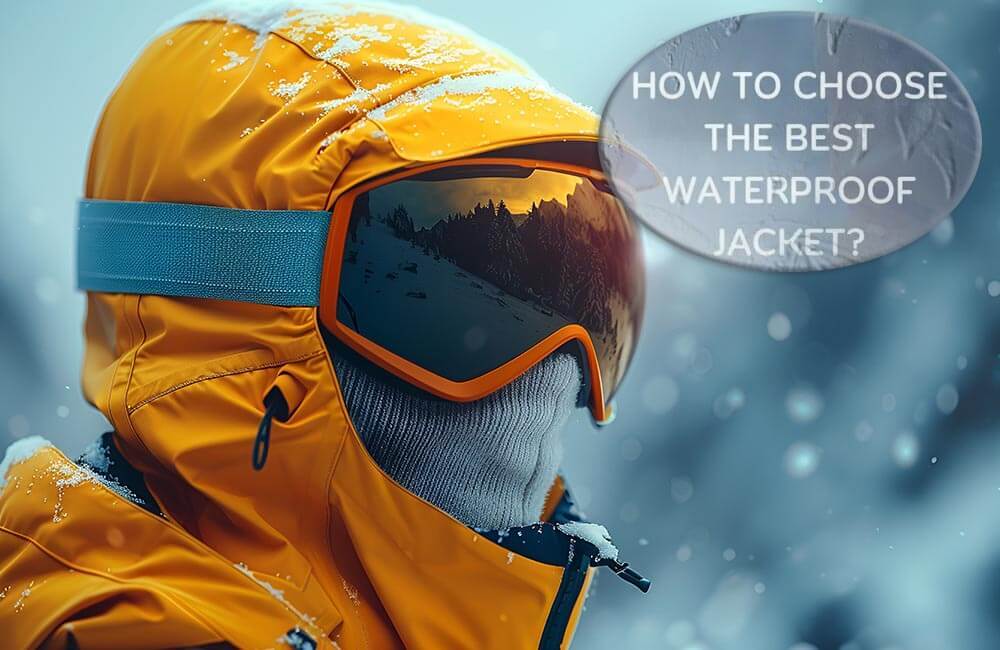
How to Choose the Best Waterproof Outdoor Rain Jacket? 5 Key Factors Explained
2025-09-02
How to Choose the Best Waterproof Outdoor Rain Jacket? 5 Key Factors Explained
When selecting a waterproof outdoor rain jacket, have you ever felt overwhelmed by the wide range of options? With so many materials, features, and styles available, making the right choice for a waterproof outdoor jacket is crucial. A high-quality outdoor rain jacket not only ensures that you stay dry and comfortable in wet environments but also provides the necessary protection.
This guide will provide a detailed explanation of all the key information you need to know, from core features to the best options for various activities, helping you make an informed purchase decision. By the end, you’ll have comprehensive knowledge and be confident in selecting the perfect outdoor rain jacket that fully meets your needs.
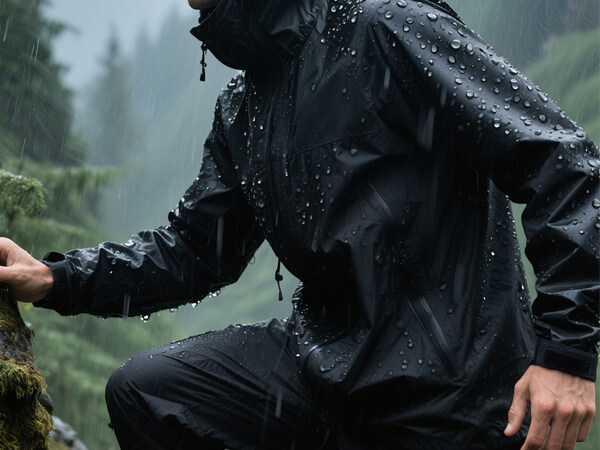
The Essential Difference: Waterproof vs. Water-Resistant Jackets
Waterproof Jacket
- Designed to completely block out water.
- Stay absolutely dry even in heavy rain.
- Made from special waterproof fabrics (e.g., Gore-Tex).
- Fully sealed seams to prevent any water penetration.
Water-Resistant Jacket
- Offers basic protection, suitable for light rain or drizzles.
- Cannot guarantee dryness in continuous/heavy rain.
- Typically lighter and more breathable.
- Ideal for mild, humid environments and light activities.
Choosing between the two ultimately depends on your specific usage needs and expected weather conditions.
5 Key Features to Consider
1 Material Selection: The Fabric Makes a Difference
The quality of the waterproof fabric directly determines the jacket's performance. Below is a comparison of popular waterproof fabrics:
Gore-Tex Fabric
Offers excellent breathability and complete waterproof protection.
- ✅ Pros: Extremely durable and performs well in harsh weather.
- ❌ Cons: Relatively high price.
eVent Fabric
Known for good breathability and waterproof performance.
- ✅ Pros: Quick moisture expulsion, suitable for high-intensity activities.
- ❌ Cons: Requires regular maintenance.
H2No Fabric
Patagonia’s patented technology that balances waterproofing and breathability.
- ✅ Pros: Environmentally friendly and performs reliably.
- ❌ Cons: Slightly less breathable than Gore-Tex.
Tip: Three-layer waterproof jackets combine an outer fabric, waterproof membrane, and inner lining, crucial for moisture resistance, durability, and comfort.
2 Jacket Type: Find the Best Style for You
Hard Shell Jacket
- Provides complete waterproof and windproof protection.
- Excellent durability.
- Best for: Extreme weather, hiking, skiing.
Soft Shell Jacket
- Balances weather protection and breathability.
- Best for: Hiking, cycling (flexibility and comfort).
- Note: Not fully waterproof, sufficient for light rain.
Packable Jacket
- Lightweight design, easy to carry and store.
- Perfect for: Travel backup or emergency use.
- Limitations: Less protective in harsh conditions.


3 Performance Rating: Understanding Waterproof & Breathability Metrics
Waterproof Rating (mm)
Measures the jacket’s ability to withstand water pressure.
- 5,000mm: Light rain
- 10,000mm: Light to moderate rain
- 20,000mm+: Heavy rain, harsh conditions
The higher the number, the stronger the waterproofing.
Breathability Rating
Measured by RET (Resistance to Evaporative Heat Transfer) or MVTR (Moisture Vapor Transmission Rate).
- RET: Lower value = better breathability.
- MVTR: Higher value = more efficient moisture expulsion.
Balancing waterproofing and breathability is critical to prevent internal sweating.
4 Craftsmanship: The Importance of Seams and Zippers
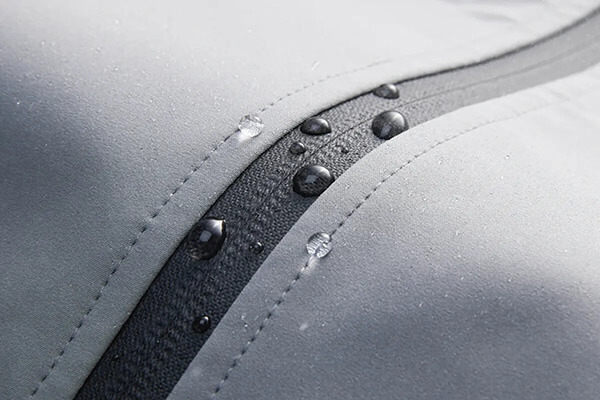
Seams and zippers are key to the waterproof effectiveness of your outdoor rain jacket. Fully taped or welded seams prevent water from leaking through the stitching, ensuring full protection. Jackets without these features are prone to water seepage in heavy rain.
Waterproof zippers, often treated with special coatings or designs, effectively block moisture. This is especially crucial in areas like pockets and the front flap.
Additional features such as windproof flaps (covering zippers) and vented zippers (allowing airflow while maintaining waterproofing) further enhance the jacket's usability and comfort under various conditions.
5 Additional Features: Enhancing User Experience
- Pocket Design: Choose waterproof or water-resistant pockets to protect your items. Pay attention to the pocket placement—chest pockets and side pockets are common, but inner pockets offer extra protection in heavy rain.
- Hood Configuration: A high-quality hood can make a significant difference. Options include removable, adjustable, and helmet-compatible designs. Adjustable hoods ensure a comfortable fit, and helmet compatibility is crucial for mountaineers and cyclists.
- Ventilation System: Underarm zippers and similar designs help release excess heat, regulating body temperature without compromising waterproofing. This is particularly important for high-intensity activities.
Making an Informed Outdoor Rain Jacket Choice
Selecting the right outdoor rain jacket is essential for staying safe and comfortable in any weather condition. By understanding the characteristics of waterproof fabrics, the ideal scenarios for different jacket types, and the key performance indicators, you'll be able to choose the waterproof outdoor jacket that best suits your needs.
Recommend News

ShiZuLong is committed to providing exceptional service and meeting customers' needs at every step of the way.
Phone --
E-mail --
Address --
No. 1, Chuangye Road, High-Tech Zone, Yushan County ,Shangrao City,Jiangxi Province, China
Quick link
Prodcuts
Enter your mailbox, the first time to
check our new developments !


Copyright © 2025 Shangrao ShiZuLong Outdoor Products Co., Ltd. | SEO |