

With the rise of outdoor activities and the arrival of the rainy season, consumers are increasingly demanding functional fabrics. Many people are asking: "nylon fabric is it waterproof?" and "Is nylon waterproof or water-resistant?" These questions directly impact purchasing decisions and user experience. Manufacturers of Nylon Polyester Raincoats will delve into the properties of nylon fabric to reveal the scientific principles behind it.
Basic Characteristics of Nylon Fabric: Water-Resistant, Not Fully Waterproof
As a synthetic fiber, nylon naturally possesses a certain level of water resistance. However, more accurately, this property leans toward being "water-resistant" rather than "fully waterproof." Untreated nylon, thanks to its hydrophobic characteristics, can repel light rain and short-term moisture. However, under prolonged exposure or high-pressure conditions, water will eventually penetrate the fabric. This answers the most common consumer question: "Is nylon waterproof or water-resistant?"—it is essentially a water-resistant material.
Why Isn't Nylon Fully Waterproof? A Scientific Explanation
Nylon's molecular structure contains hydrophilic amide groups (-CONH-), which have a natural affinity for water molecules. This means:
1. Dual-Region Properties
Nylon fabric has both hydrophobic and hydrophilic regions, creating channels for water penetration.
2. Water Absorption and Expansion
When nylon comes into contact with water, it absorbs moisture, causing the fibers to swell and increase in weight.
3. Molecular Gaps
Water molecules can penetrate the tiny gaps between nylon molecular chains.
Advanced Techniques to Enhance Nylon's Water Resistance
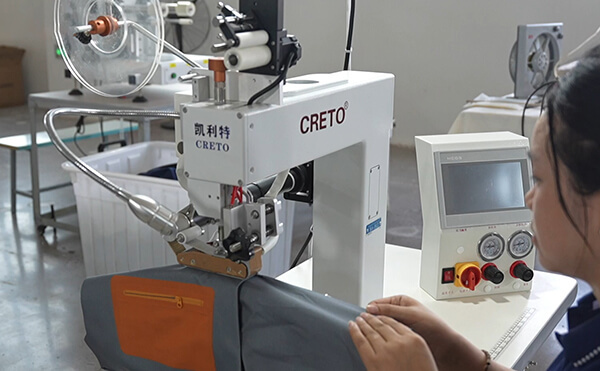
To address the limitations of "is nylon waterproof or water-resistant," manufacturers of Nylon Polyester Raincoats employ various advanced technologies:
1. High-Density Weaving
By increasing fabric density and using high-denier fibers, a tighter protective barrier is formed.
2. Professional Coating Treatments
Materials such as polyurethane, silicone resin, or fluorocarbon compounds are used to create protective layers.
3. DWR (Durable Water Repellent) Treatment
Causes water droplets to bead up and roll off the fabric surface.
4. Lamination Technology
Enhances waterproof performance through multi-layer composite materials.
The Essential Difference Between Waterproof and Water-Resistant
Understanding the key distinction between "is nylon waterproof or water-resistant" lies in clarifying the fundamental differences between these two concepts:
● Water-Resistant
Resists short-term, low-intensity water exposure, such as light rain splashes.
● Fully Waterproof
Forms an impermeable barrier, preventing water penetration even during prolonged immersion.
Practical Selection Advice
For daily use, such as commuting in light rain, water-resistant nylon fabric is sufficient. However, for outdoor activities, hiking, or scenarios involving heavy rain, it is advisable to choose nylon products treated with professional waterproofing technologies. It is important to note that even treated nylon fabrics may see a decline in waterproof performance as the coating wears off over time.

Conclusion: A Scientific Perspective on Nylon Fabric's Waterproof Performance
Returning to the initial question: "Nylon fabric is it waterproof?" The scientific answer is: Untreated nylon is water-resistant, not fully waterproof. With modern technological treatments, its waterproof performance can be significantly enhanced. When selecting products, consumers should base their decisions on actual usage needs to determine the answer to "is nylon waterproof or water-resistant" and choose the most suitable product for themselves. Understanding this distinction not only helps us make wiser purchasing decisions but also enables better maintenance and use of nylon products.


