

In daily life, we often ask: "Is a polyester jacket waterproof?" The answer to this question is not straightforward. Polyester, as a synthetic material widely used in outdoor gear, indeed has certain water-resistant properties, but its performance is influenced by various factors. This article will delve into the water-resistant characteristics of polyester, explain why "polyester is good for rain," and guide you on how to maximize the waterproof potential of "polyester rain jacket fabric," helping you fully understand this type of functional clothing.

Is a Polyester Jacket Waterproof? Understanding the Waterproof Properties of Polyester and Rainy Day Wear Guide
2025-11-13
Detailed Explanation of Polyester's Waterproof Properties
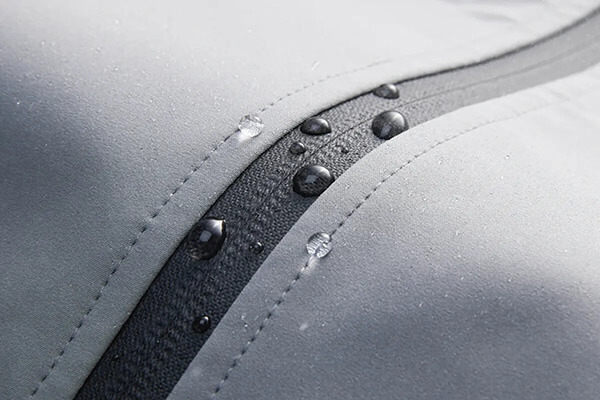
Hydrophobic Fibers and the Science Behind Tight Weaving
Polyester is essentially a synthetic fiber made from petrochemical products, and its chemical structure gives it natural hydrophobicity. This means that when water droplets fall on the polyester surface, they form beads and roll off rather than being absorbed. In fact, untreated polyester fibers can only absorb about 0.4% of their own weight in water, making them dry much faster than most natural fibers.
When polyester yarns are tightly woven, the spaces between the fibers are minimal, almost eliminating the chance for moisture to penetrate. This is why rainwater typically forms droplets on high-quality polyester fabric surfaces and then rolls off or evaporates. In contrast, fabrics with loose weaves or larger pores are more likely to let water seep through. Therefore, the hydrophobic nature of the fibers combined with a tight weave structure gives polyester good moisture resistance, which is the scientific basis for "polyester being good for rain."
Key Differences Between Waterproof, Water-Repellent, and Water-Resistant
When discussing the performance of a "polyester rain jacket," it's essential to understand the differences between these three terms:
- Water-Resistant Fabrics: Materials like regular polyester or canvas can resist light rain or water splashes, but prolonged exposure to wet conditions will eventually soak through.
- Water-Repellent Coatings: Typically, this refers to durable water repellent (DWR) treatments that make water beads up and roll off the fabric. Most "polyester rain jacket fabrics" undergo this basic treatment.
- Waterproof Fabrics: These have continuous waterproof layers (such as laminated membranes or thick coatings) that completely block moisture, even during heavy rain. True waterproof fabrics often use vinyl coatings or specialized laminating technologies.
Understanding these differences helps consumers set realistic expectations for the question, "Is a polyester jacket waterproof?" In most cases, it falls into the first two categories unless treated specifically.

Why Polyester Does Not Absorb Water Like Cotton
Polyester's polymer chain structure lacks hydrophilic properties, which contrasts sharply with the cellulose structure of cotton fibers. Cotton fibers have many water-absorbing sites, allowing them to absorb up to 2500% of their weight in water, causing them to expand significantly. Polyester fibers, however, absorb virtually no water. Water flows along the surface of the fibers, evaporates, or drips off.
This is why polyester shirts feel drier and lighter than cotton shirts in humid conditions. The hydrophobic chemical structure and smooth surface of polyester mean it does not trap moisture inside the fibers like natural fibers, which is one of the main reasons why "polyester is good for rain."
Key Factors Affecting Polyester's Waterproof Performance
Fabric Density and Weave
The density of polyester fabric directly impacts its waterproof capabilities. High-denier (thicker) polyester yarns, when tightly woven or knitted, significantly reduce gaps between the fibers, improving waterproof performance. In fact, polyester canvas or microfiber fabrics are more rain-resistant than lighter or loosely woven polyester fabrics. In short, the denser and thicker the fabric, the better its waterproof properties, which is why high-quality "polyester rain jacket fabrics" often feature high-density weaving.
Coatings and Treatments (PU, PVC, DWR)
Special coatings can greatly enhance polyester's waterproof performance. Common treatments include:
- Durable Water Repellent (DWR): A spray-on or wash-in chemical treatment that increases the fabric's water-repelling properties.
- Polyurethane (PU) Laminated Coating: A thin PU film laminated onto the polyester base, creating an effective waterproof layer (commonly referred to as PUL fabric).
- Polyvinyl Chloride (PVC) Coating: Makes polyester completely waterproof, suitable for waterproof cloth or specialized rainwear.
These coatings fill the fiber gaps and create a strong moisture barrier, which is key to improving the performance of "polyester rain jackets."
Blended Fabrics vs. 100% Polyester
Blending polyester with other fibers alters its moisture-absorbing properties. For example:
- Polyester-Nylon Blends: May have good moisture-wicking properties, but once completely soaked, they will slightly increase their absorbency.
- Blends with Natural Fibers (Cotton, Wool, etc.): These make the fabric more absorbent.
Generally speaking, 100% polyester is more hydrophobic than most blended fabrics. Pure polyester fabrics almost do not absorb water, whereas adding other fibers, especially natural fibers, usually reduces its water resistance. Therefore, when asking, "Is a polyester jacket waterproof?" the fabric's specific composition ratio must be considered.
Comparing Waterproof Performance of Polyester vs. Other Fabrics
| Fabric Type | Water Absorption Rate | Drying Time | Insulation When Wet |
|---|---|---|---|
| Polyester | About 0.4% of its weight | Very Fast | Low (rapid heat dissipation) |
| Nylon | 1.5–9% (over 24 hours) | Fast | Low (similar to polyester) |
| Cotton | Up to 2500% | Slow | Poor (feels cold when damp) |
| Merino Wool | About 30% | Moderate | High (locks in moisture, stays warm) |
Overall, polyester fabrics excel in low moisture absorption and fast drying times. While they don't retain heat like wool when wet, they don't become completely soaked like cotton fabrics, which explains why "polyester is good for rain."
Common Uses of Waterproof Polyester
Outdoor Gear (Raincoats, Tents, Backpacks)
Polyester's water resistance makes it an ideal material for outdoor gear. Most modern "polyester rain jackets" use polyester fabric treated with DWR coatings or specialized laminating processes. Tent outer layers and groundsheets are usually made from polyester and treated with silicone or PU coatings to improve waterproof performance. The outer layers and linings of backpacks are also often made from polyester to protect internal items from moisture.
Sportswear and Swimwear (Quick-Drying Performance)
Polyester is frequently used in sportswear and swimwear because of its excellent quick-drying properties. Since polyester effectively wicks away sweat and water droplets, athletic t-shirts or swimsuits are lighter and more comfortable even when soaked than cotton garments. Brands like Nike and Adidas extensively use polyester blend fabrics in high-performance sports gear for optimal moisture-wicking effects.
Workwear and Military Uniforms (Durability + Moisture Resistance)
In professional and tactical environments, polyester blends offer durability and moisture resistance. Many police and service uniforms are primarily made from polyester fabric and treated with DWR. Coated fabrics are also widely used in raincoats, patrol jackets, and military gear to ensure reliable waterproof performance under various working conditions.
How to Improve the Waterproof Performance of Polyester
Applying DWR (Durable Water Repellent) Coating
To enhance "polyester rain jacket fabric's" waterproof capabilities, a professional DWR spray or wash-in treatment can be applied:
- Clean the fabric thoroughly to remove dirt and oils.
- Evenly spray DWR products (such as Nikwax or Scotchgard) on the fabric surface.
- Follow the instructions and let it dry completely. This treatment creates a protective layer on the fiber surface, causing water droplets to bead up. Outdoor gear experts recommend reapplying DWR when water no longer beads up on the fabric surface.
Washing Tips (Avoid Fabric Softeners)
Proper washing techniques are essential for maintaining waterproof coatings:
- Use mild detergents designed for functional fabrics.
- Avoid bleach or fabric softeners—softeners leave waxy residues that hinder water beading.
- Dry garments according to the washing instructions, and low-temperature tumble drying helps reactivate the DWR coating.
The Limitations of Polyester's Waterproof Performance
Not Fully Waterproof (Unless Treated)
Polyester itself will eventually let water through in heavy rain. Untreated polyester fabric, if exposed to rain for extended periods, will become soaked, and seams or zippers may leak. This means that unless treated or laminated, a "polyester rain jacket" has limited reliability in heavy rain.
Retention of Odors When Wet
One drawback of polyester is that it tends to absorb body oils and bacteria, especially in damp conditions. Unlike wool or some synthetic fibers with antimicrobial properties, wet polyester easily retains odors. Tests show that polyester has poor odor resistance compared to many other fibers, which is why polyester garments soaked in rain or sweat need to be washed promptly.
Breathability Issues in Some Cases
While many pure polyester fabrics are breathable, adding waterproof coatings may hinder air circulation. Thick laminated or coated polyester fabrics are likely to trap heat and moisture inside. Expert analyses indicate that polyester fabrics generally don't breathe as well as nylon, which is why high-end waterproof gear often uses special breathable membranes (like Gore-Tex) instead of ordinary coated polyester.
Frequently Asked Questions
Does polyester absorb water?
No. Polyester fibers are hydrophobic and do not absorb moisture. Water droplets will bead up on the surface of polyester garments or slide off without soaking in. Polyester garments might feel damp on the surface, but the material itself does not absorb water.
Can you make polyester waterproof?
Yes. While regular polyester fabric has some water resistance, it can be made fully waterproof by adding a barrier layer. For instance, a polyester jacket can be covered with a PU or PTFE membrane or coated with polyurethane/PVC. Even fabrics treated with DWR can effectively repel most rain. Through various professional treatments and coatings, polyester fabric can be made fully waterproof.
Is polyester fabric waterproof?
Polyester fabric is great for light rain and water splashes, as it is more water-resistant than natural fibers. It is commonly used for making rain jackets and umbrellas. However, caution should be taken when using it in heavy rain. Polyester fabric will eventually become soaked in heavy rain, so it's best to choose a rain jacket with a waterproof layer or taped seams in such conditions. However, for everyday rain jackets, polyester generally keeps you dry and is far superior to cotton.
Conclusion
Polyester itself has some water resistance: it hardly absorbs moisture, and water droplets bead up on the surface. This makes "Polyester rain jackets" an excellent choice for everyday rainy weather, outdoor activities, and sports, offering quick-drying properties and basic waterproof performance. However, polyester is not fully waterproof on its own. If exposed to heavy rain or for long periods, it's best to opt for polyester garments treated with professional DWR coatings, lamination, or taped seams.
In summary, polyester fabric does offer some water resistance but is not fully waterproof. When purchasing, be sure to check the fabric details — the "waterproof" label usually indicates added coatings or membranes. By applying DWR treatment and maintaining the fabric properly, you can maximize the benefits of "polyester good for rain." For everyday rainy conditions, polyester clothes are better at keeping you dry compared to cotton, but for extreme weather, professional waterproof technologies and gear are still essential.
Recommend News

ShiZuLong is committed to providing exceptional service and meeting customers' needs at every step of the way.
Phone --
E-mail --
Address --
No. 1, Chuangye Road, High-Tech Zone, Yushan County ,Shangrao City,Jiangxi Province, China
Quick link
Prodcuts
Enter your mailbox, the first time to
check our new developments !


Copyright © 2025 Shangrao ShiZuLong Outdoor Products Co., Ltd. | SEO |