Running Gear Science
Are Softshell Jackets Used for Running?
When temperatures drop and the wind picks up, runners face a dilemma: bundle up and risk overheating, or go light and freeze. Enter the softshell jacket—a versatile piece of gear often associated with hiking and climbing. But are softshell jackets actually used for running? The short answer is yes, absolutely—but with some important caveats. In this guide, we'll explore why softshells are gaining popularity among runners, what to look for, and how to choose the right one for your next run.
At ON THE WAY, we believe that the best gear adapts to your movement, not the other way around. Let's dive into the details.
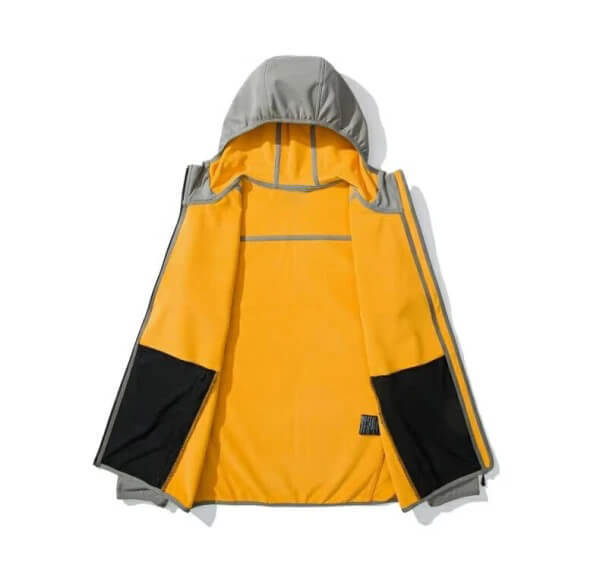
Why Runners Are Turning to Softshell Jackets
Softshell jackets were originally designed for high-output activities where breathability and freedom of movement are paramount. Running fits that description perfectly. Here's why softshells work well for running:
- 1
Breathability Beats Sweat: Unlike hardshell jackets that trap heat and moisture, softshells are engineered to allow water vapor to escape. This is critical for runners, who generate a lot of body heat. A good running softshell will have a breathability rating that keeps you dry from the inside, even during a tempo run.
- 2
Wind Resistance Without the Crinkle: Softshells excel at blocking wind—a major factor in perceived temperature during winter runs. They use a tightly woven face fabric or a thin membrane that cuts the chill while remaining flexible and quiet. No more rustling like a plastic bag with every stride.
- 3
Lightweight and Stretch for Full Range of Motion: Running requires unimpeded arm movement. Softshell jackets are typically made with stretchy fabrics that move with you, not against you. This makes them ideal for high-cadence activities where a stiff jacket would be a nuisance.
- 4
Weather Resistance for the Unpredictable: While softshells aren't fully waterproof, they do offer excellent water resistance (thanks to DWR coatings) that sheds light rain and snow—perfect for those drizzly morning runs. They also provide enough insulation to replace a midlayer in cool weather, simplifying your kit.
When a Softshell Is the Right Choice for Running
Softshells shine in specific conditions:
- ❄️ Cold, Dry Winters: Pair a softshell with a moisture-wicking base layer for runs in the 20°F to 40°F range. It traps warmth while letting sweat escape.
- 💨 Windy Days: If the forecast calls for biting winds, a softshell acts as a shield without the bulk of a heavy jacket.
- ☁️ Variable Weather: For runs where you might encounter light drizzle or snow flurries, a softshell with a durable DWR finish will keep you comfortable.
⚠️ Important: However, if you're running in a downpour, you'll still want a dedicated waterproof hardshell or a running-specific rain jacket. Softshells are not designed for sustained heavy rain.
What to Look for in a Running Softshell Jacket
Not all softshells are created equal. To find one that works for running, consider these features:
⚡
Lightweight Fabric
Look for softshells weighing under 300 grams (about 10 ounces) to avoid feeling weighed down.
🔦
Reflective Details
Essential for low-light runs. Many running-specific softshells include reflective logos or piping.
🌀
Venting Options
Pit zips or mesh-lined pockets can dump excess heat when you're working hard.
🧥
Close Fit
A snug, athletic cut reduces flapping and improves moisture transfer. It should fit close enough to be worn under a shell if needed.
Aim for fabrics with a breathability rating of at least 5,000–10,000 g/m²/24h.
ON THE WAY design philosophy: At ON THE WAY, we design our softshell jackets with runners in mind. Our collection features stretch-woven fabrics that combine wind resistance with exceptional breathability, plus strategic reflectivity and a fit that moves with you. Whether you're pounding pavement or hitting trails, we've got you covered.
Softshell vs. Other Running Jackets
| Jacket Type |
Best For |
Pros |
Cons |
| Softshell |
Cool to cold, dry or lightly wet runs |
Breathable, stretchy, windproof |
Not fully waterproof |
| Hardshell |
Heavy rain, extreme weather |
100% waterproof |
Hard in texture, less breathable |
| Windbreaker |
Mild, windy days |
Ultra-light, packable |
Minimal insulation |
| Insulated Jacket |
Very cold, sedentary use |
Warm |
Too warm for high output |
For most runners, a softshell strikes the perfect balance for winter training—enough weather protection to keep you comfortable, without the sauna effect of a plastic shell.
Caring for Your Running Softshell
- Wash with a technical cleaner (avoid fabric softener).
- Tumble dry on low heat to reactivate the DWR coating.
- Reapply DWR spray periodically if water stops beading.
Conclusion: Lace Up and Go
So, are softshell jackets used for running? Yes—they're an excellent choice for runners who want breathability, wind protection, and freedom of movement in cool to cold conditions. By choosing a lightweight, well-ventilated softshell, you can extend your running season and stay comfortable mile after mile.
At ON THE WAY, we're passionate about helping you move better. Explore our range of running-ready softshell jackets, designed to keep you ON THE WAY—whatever the weather throws at you.