

Exploring the Secrets of Raincoats: Raincoats Are Made of Which Material? In-Depth Analysis by a Professional Rain Jacket Waterproof Manufacturer
2025-09-19
Raincoats Are Made of Which Material? A Manufacturer's Insight
As a professional rain jacket waterproof manufacturer, we fully understand that one of the most common questions consumers ask is: “Raincoats are made of which material?” The making of modern raincoats has evolved into a precise discipline that combines material science with craftsmanship. This article will take you deep into the secrets of raincoat materials, helping you make an informed choice when purchasing.
The Evolution of Raincoat Materials
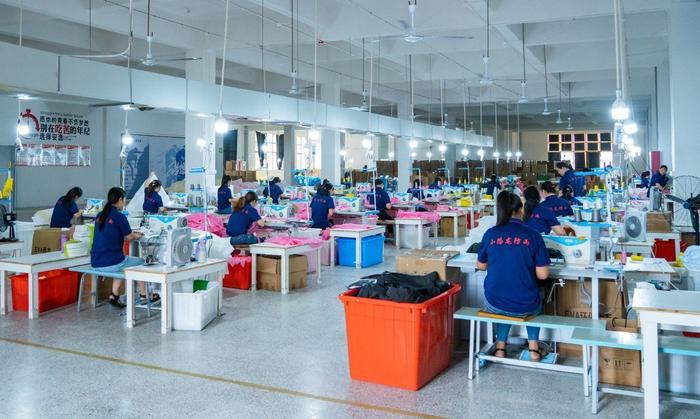
From a historical perspective, raincoat materials have gone through a long evolution. Early raincoats were primarily made from wool or leather and waterproofed by applying animal oils. The invention of rubber in the 19th century revolutionized the raincoat industry. Although early rubber raincoats were heavy and not breathable, they offered unprecedented waterproof protection.
The emergence of synthetic materials in the 20th century brought a second revolution. Lightweight fabrics such as nylon and polyester became mainstream choices for raincoat production. The true breakthrough came in the 1970s with the invention of Gore-Tex, which perfectly combined waterproofing with breathability, redefining standards for outdoor protective clothing.
Common Modern Raincoat Materials
• High-Tech Synthetic Fibers
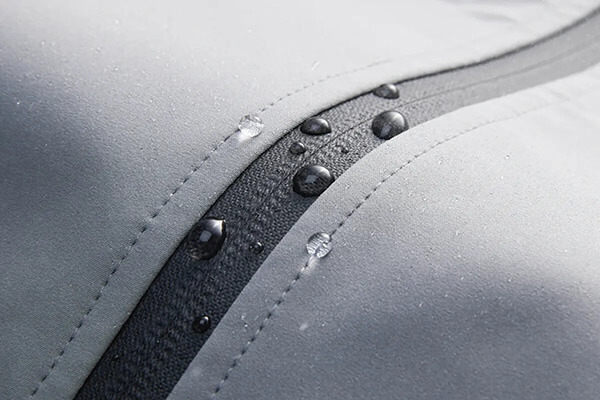
Modern raincoats are primarily made of specially treated synthetic fibers. As a professional rain jacket waterproof manufacturer, we often use polyester, nylon, or blended fabrics as the base material. These materials are lightweight, strong, and quick-drying, making them ideal for high-performance raincoats.
• Waterproof Treatment Technology
When asking “Raincoats are made of which material?”, it’s not only about the fabric but also the waterproofing process. High-quality raincoats use coatings such as polyurethane (PU), Teflon, or acrylic compounds. These materials form a microporous film on the fabric surface, providing waterproofing while maintaining breathability.
• Innovative Eco-Friendly Materials
With increasing environmental awareness, many leading rain jacket waterproof manufacturers are developing sustainable alternatives. Recycled polyester fibers and bio-based coatings are becoming more common, offering consumers eco-friendly options.
Characteristics of Different Raincoat Materials
PVC (Polyvinyl Chloride)
PVC is known for its excellent waterproof performance and durability:
- Fully waterproof, suitable for heavy rain
- Cost-effective and affordable
- Durable, ideal for industrial use
However, it lacks breathability, which may be uncomfortable in warm conditions.
Nylon Fabric
Nylon is a popular choice for raincoats:
- High strength and abrasion resistance
- Lightweight and easy to carry
- Excellent quick-drying performance
It requires regular waterproof treatment to maintain effectiveness.
High-Tech Functional Fabrics
Premium materials like Gore-Tex:
- Excellent waterproof and breathable properties
- Outstanding windproof and warmth retention
- Long-lasting durability
They are more expensive and require special care.
Professional Advice on How to Choose Raincoat Material
After understanding “Raincoats are made of which material?”, how do you choose raincoat material that suits your needs? As a professional rain jacket waterproof manufacturer, we recommend:
- Select according to use scenarios: Lightweight polyester for daily commuting, functional fabrics for outdoor activities.
- Consider climate conditions: Choose highly waterproof materials in rainy regions and better breathable fabrics for humid environments.
- Pay attention to eco-friendliness: Opt for products using sustainable materials and processes.
- Check craftsmanship quality: Excellent materials require equally precise manufacturing.
Conclusion: The Future of Raincoat Materials
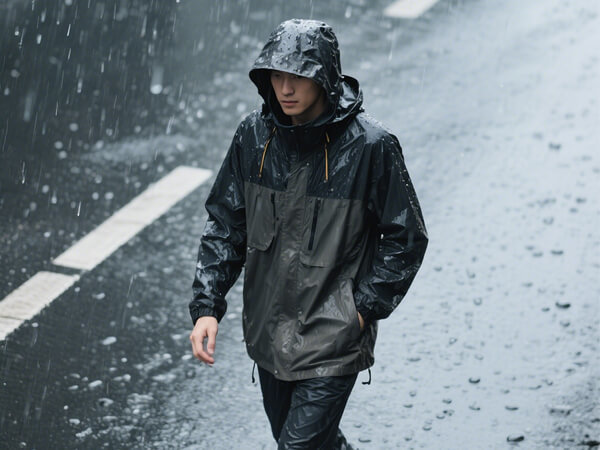
With ongoing advancements in material science, raincoat manufacturing technology is rapidly evolving. Future raincoat materials will be smarter, more functional, and more environmentally friendly. As a professional rain jacket waterproof manufacturer, we continuously focus on new material development to provide consumers with superior products.
No matter how technology advances, understanding “Raincoats are made of which material?” remains key to choosing the right product. We hope this article helps you better understand raincoat materials and selection criteria, guiding you to find the raincoat that best fits your needs. Remember, a good raincoat is not just a tool against rain—it is a reliable companion ensuring your comfort in all weather conditions.
Recommend News

ShiZuLong is committed to providing exceptional service and meeting customers' needs at every step of the way.
Phone --
E-mail --
Address --
No. 1, Chuangye Road, High-Tech Zone, Yushan County ,Shangrao City,Jiangxi Province, China
Quick link
Prodcuts
Enter your mailbox, the first time to
check our new developments !


Copyright © 2025 Shangrao ShiZuLong Outdoor Products Co., Ltd. | SEO |