


Outdoor Rain Jacket Waterproof Technology: A Complete Analysis of Laminated and Coated Structures
2025-12-08
Outdoor Waterproof Rain Jacket Technology Guide
In the damp, rainy outdoor environment, a high-quality Outdoor Waterproof Rain Jacket is an essential piece of gear for adventurers. Its core lies in Waterproof and Breathable Technology, primarily achieved through two structures: laminated materials and coatings, ensuring that rainwater is blocked while sweat is expelled. Below, we will analyze these two technologies and the common 2-layer, 2.5-layer, and 3-layer structures to help you make an informed decision when Choosing an Outdoor Rain Jacket.
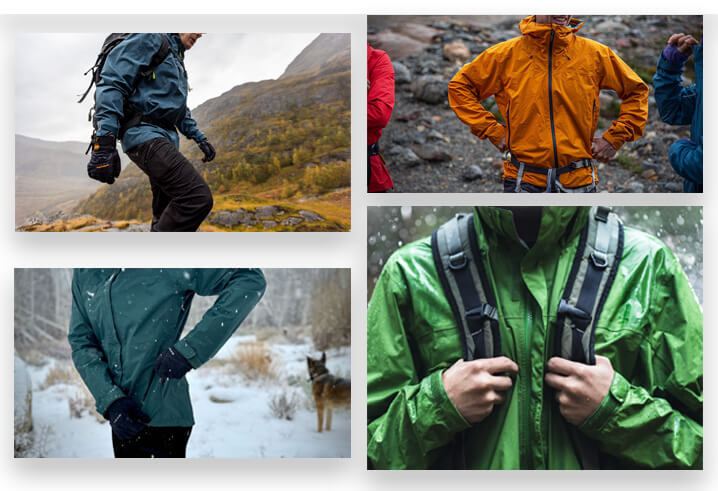
The Two Pillars of Waterproof Technology: Laminated vs. Coated
The waterproof and breathable performance of an Outdoor Waterproof Rain Jacket mainly relies on two structures: laminated materials and coatings. Laminated materials are similar to firmly adhere wallpaper to a wall—this involves bonding a waterproof and breathable membrane to the inner side of the outer fabric, creating a durable protective layer. This structure is well-protected by the fabric, making it resistant to wear and tear in extreme conditions, and is commonly found in professional outdoor jackets, offering long-lasting waterproofing.
The coated structure, on the other hand, is like painting a thin layer of waterproofing directly onto the inner surface of the fabric. This makes it lighter and more cost-effective, suitable for casual use, but may be slightly inferior in durability and breathability compared to laminated materials.
Breaking Down the Layers of Outdoor Waterproof Rain Jackets: 2-Layer, 2.5-Layer, and 3-Layer
2-Layer Structure (Casual Use)
Common in jackets with lower functionality, the waterproof membrane is bonded to the inner side of the outer fabric, with a hanging inner lining to protect the membrane. This design balances basic waterproofing with comfort, making it suitable for light outdoor activities.
3-Layer Structure (High-Performance Choice)
Premium rain jackets often use this structure, where the waterproof membrane is bonded to the inner side of the shell fabric, with an additional fabric protection layer. Although this sounds complex, it eliminates heavy linings, making the jacket lighter and more durable—ideal for extreme environments like mountaineering.
2.5-Layer Structure (Budget Lightweight)
This structure uses a coating and a thin protective layer ("half layer") on the outer fabric to achieve waterproofing. While its breathability may not match that of the 2-layer or 3-layer options, it is lightweight and affordable, making it perfect for short trips or budget-conscious users. Some ultralight jackets also use this design to reduce weight.
Brands like GORE-TEX® choose structures based on intended use, and not all technologies strictly adhere to these terms. When Choosing an Outdoor Rain Jacket, it's advisable to refer to the product specifications. For instance, on originaldragons (ON THE WAY)'s official website, Outdoor waterproof rain jacket details are clearly listed, helping you find the most suitable gear. Whether you're a hiking enthusiast or a city commuter, understanding these technologies will enhance your outdoor experience, ensuring you stay dry and comfortable in any weather.
Recommend News

ShiZuLong is committed to providing exceptional service and meeting customers' needs at every step of the way.
Phone --
E-mail --
Address --
No. 1, Chuangye Road, High-Tech Zone, Yushan County ,Shangrao City,Jiangxi Province, China
Quick link
Prodcuts
Enter your mailbox, the first time to
check our new developments !


Copyright © 2025 Shangrao ShiZuLong Outdoor Products Co., Ltd. | SEO |