


Detailed Comparison of Raincoats and Waterproof Jackets: 2026 Latest Waterproof Jacket Buying Guide
2025-10-29
Raincoat vs Waterproof Jacket: Understanding the Key Differences for Smart Outdoor Gear Selection
When engaging in outdoor activities or during the rainy season, selecting the right rain protection gear is crucial. Many people often confuse raincoats and waterproof jackets, thinking they are just different names for the same item. However, they actually differ significantly in terms of design, materials, and suitable environments. This article will explore the difference between raincoats and waterproof jackets, helping you make an informed choice based on your needs. We will delve into aspects such as definitions, materials, functions, and application scenarios, and provide a practical waterproof jacket buying guide.
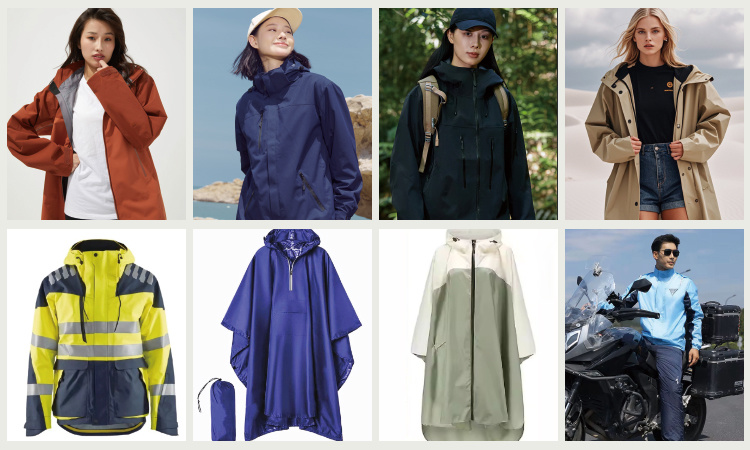
Overview of Key Differences
Raincoat
A raincoat typically refers to a traditional rain jacket that focuses on basic rain protection, often used for short, everyday rainfall. It may be made from simple coated nylon or PVC materials, which are cost-effective and suitable for occasional use.
For example, a standard raincoat may perform well in light to moderate rain but is prone to leakage during heavy, prolonged rainfall.
Waterproof Jacket
In contrast, a waterproof jacket is a technical garment designed for harsh weather conditions, utilizing advanced fabrics like GORE-TEX membrane, sealed seams, and durable water repellent (DWR) coating.
Understanding the difference between raincoats and waterproof jackets is key: raincoats are more economical and practical, while waterproof jackets focus on performance and durability.
Material and Technology Differences
Raincoat Materials
Raincoats are generally made from basic materials such as coated nylon or polyethylene, which achieve waterproofing through simple coatings. However, these materials tend to have poor breathability, often causing moisture to build up inside after physical activity.
This design is suitable for urban commuting or short trips and is budget-friendly, though long-term use may cause wear and cracking.
Waterproof Jacket Technologies
On the other hand, waterproof jackets incorporate cutting-edge technologies, such as multi-layer composite membranes (e.g., eVent or HyVent). These materials not only provide waterproofing but also feature high breathability, allowing sweat to evaporate and keeping the body comfortable.
This is where the difference between raincoats and waterproof jackets becomes crucial: sealed seams ensure no leaks at the joints, and the DWR coating causes water droplets to roll off the surface, extending the jacket's lifespan.
Functionality and Application Scenarios
Raincoat Applications
Raincoats are suitable for daily use, such as commuting, walking, or light outdoor activities. Their lightweight design and easy packability make them a staple in backpacks.
However, in extreme weather conditions, a raincoat may not be enough to provide adequate protection, leading to discomfort or safety risks.
Waterproof Jacket Applications
Waterproof jackets, however, are designed for professional activities like hiking, camping, or long-distance travel. Their multifunctional design often includes adjustable hoods, ventilation zippers, and compatibility with layering systems, ensuring performance in changing environments.
Key Decision Factors
Usage Frequency
Occasional vs Regular use
Activity Type
Urban vs Outdoor activities
Weather Conditions
Light rain vs Extreme weather
Budget Consideration
Economical vs Investment
Recommend News

ShiZuLong is committed to providing exceptional service and meeting customers' needs at every step of the way.
Phone --
E-mail --
Address --
No. 1, Chuangye Road, High-Tech Zone, Yushan County ,Shangrao City,Jiangxi Province, China
Quick link
Prodcuts
Enter your mailbox, the first time to
check our new developments !


Copyright © 2025 Shangrao ShiZuLong Outdoor Products Co., Ltd. | SEO |